
Ultimate Selection Of Products For Concrete Floor Art Enthusiasts
Find the most trusted and versatile tools to bring your concrete painting ideas to life with professional results.
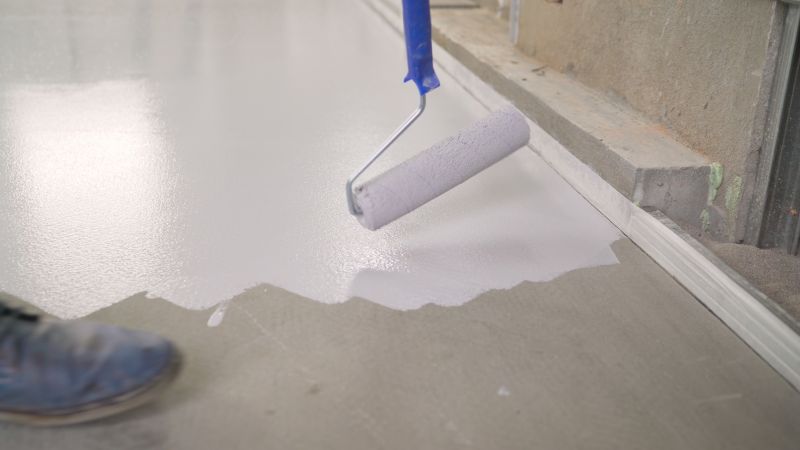 Creating artwork on concrete floors offers a unique canvas for artistic expression, transforming utilitarian surfaces into vibrant displays of creativity. The process involves selecting suitable products that adhere well to concrete, provide durable finishes, and allow for detailed designs. Various paints, coatings, and sealants are available to achieve different artistic effects, from bold murals to intricate patterns. Understanding the characteristics of these products helps artists and DIY enthusiasts choose the right materials to ensure longevity and visual impact.
Top Overall Option
Multi-Purpose Concrete Floor Paint Kit
A comprehensive kit that includes primer, paint, and sealant designed specifically for concrete surfaces. It offers good adhesion, durability, and ease of use, making it suitable for both beginners and experienced artists. The formulation provides a smooth finish and vibrant color retention, supporting detailed artwork and long-lasting results.
Types of Products For Concrete Floor Paintings
Acrylic Concrete Paints
Water-based paints ideal for detailed artwork with vibrant colors.
Epoxy Coatings
Durable, glossy coatings suitable for high-traffic areas and outdoor use.
Chalk Paints
Matte finishes that allow for easy chalk art and temporary designs.
Oil-Based Paints
Offers strong adhesion and durability, suitable for outdoor murals.
Polyurethane Sealers
Protective coatings that enhance color and provide a glossy or matte finish.
Stencils and Templates
Pre-cut designs to assist in creating intricate patterns and artwork.
Textured Additives
Materials like sand or grit to add texture and depth to the artwork.
Spray Paints for Concrete
Convenient for covering large areas quickly with even color.
Liquid Masking Films
Protect areas during painting or create sharp edges and patterns.
Glow-in-the-Dark Paints
Add luminous effects to your concrete art for nighttime visibility.
Metallic Finishes
Create shimmering, reflective surfaces for a unique artistic touch.
Clear Sealants and Topcoats
Maintain artwork integrity and protect against wear and tear.
Popular Choices
Widely used for their ease of application and vibrant colors.
Chosen for their durability and high-gloss finish, suitable for outdoor or high-traffic areas.
Popular for creating detailed and repeatable patterns on floors.
Favored for quick coverage and even application over large areas.
In trending use for decorative and functional nighttime effects.
Used to add tactile elements and visual interest to artwork.
Popular for temporary art and easy cleanup, especially indoors.
Chosen for their eye-catching shimmer and reflective qualities.
Commonly applied to preserve and enhance the appearance of painted floors.
Used for creating sharp lines and protecting areas during painting.
Selected for their strong adhesion and outdoor durability.
Popular for providing a durable, glossy finish that protects artwork.
When working with concrete floors, surface preparation is crucial. Proper cleaning, etching, or priming can significantly improve adhesion. The type of paint or coating used can influence the final appearance, with options ranging from acrylic paints for detailed work to epoxy coatings for a glossy, durable finish. Additional decorative elements, such as stencils, tape, or textured additives, can enhance the artistic possibilities. Protective sealants are often applied afterward to preserve the artwork from wear and environmental damage.
Choosing the right products depends on factors like the intended use of the space, the level of detail in the artwork, and the desired aesthetic. For indoor floors, low-odor and low-VOC options may be preferred, while outdoor projects require weather-resistant formulations. Proper application tools, such as brushes, rollers, or spray equipment, also play a role in achieving the desired results. With the right combination of products and techniques, creating stunning concrete floor paintings can be a rewarding artistic endeavor that adds personality and style to any space.
Key Buying Considerations
- Surface compatibility: Ensure the product is suitable for concrete surfaces.
- Intended environment: Choose weather-resistant options for outdoor projects.
- Ease of application: Consider tools required and skill level needed.
- Drying and curing times: Be aware of how long the product takes to set and be ready for use.
- Color retention: Look for formulations that maintain vibrancy over time.
- Finish type: Decide between matte, satin, or glossy finishes based on aesthetic preference.
- Durability: Select products rated for high traffic or wear if applicable.
- Compatibility with other products: Confirm that primers, paints, and sealants work well together.
- Health and safety: Check for low VOC or odor levels if working indoors.
- Budget: Balance cost with quality to find suitable options within your price range.
- Application method: Determine whether brushes, rollers, or spray equipment are needed.
- Design flexibility: Consider if the product allows for detailed artwork or textures.
- Sealing and protection: Use appropriate topcoats to preserve artwork against damage.
- Brand reputation and reviews: Research products with positive user feedback for reliability.
This page contains affiliate links. We may earn a commission if you purchase through these links, at no additional cost to you.